5x5 training: what does it actually do?
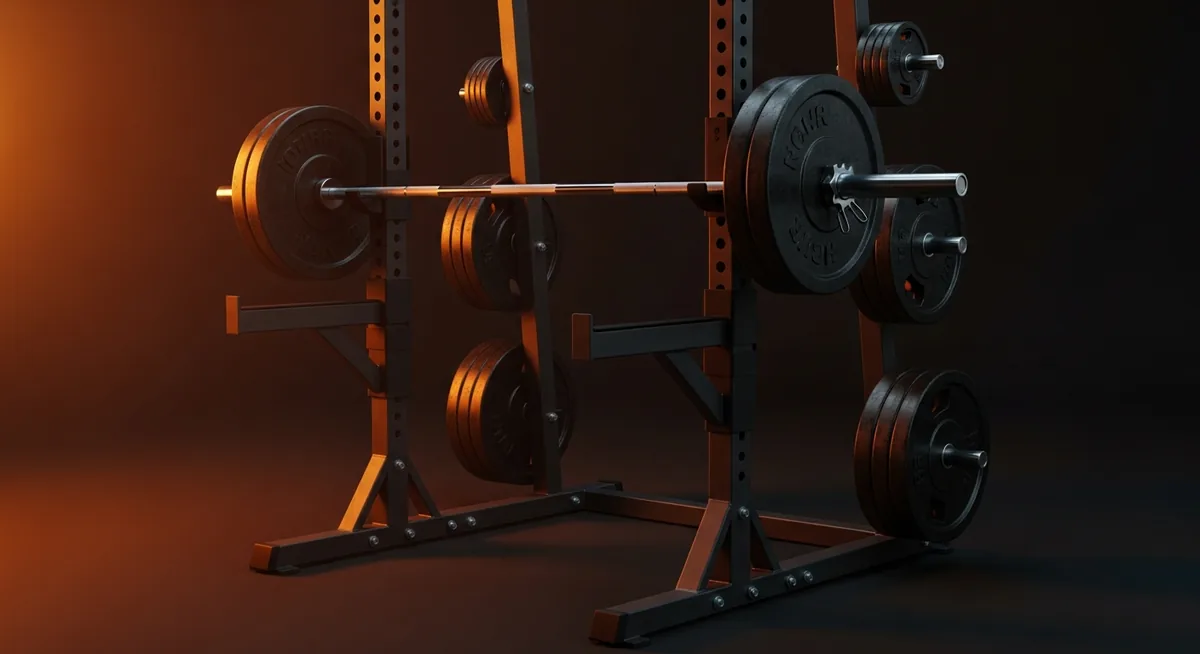
5x5 programs are a popular choice for beginner strength training. They consist of 5 working sets of 5 reps on the big compound lifts. How fast you progress depends on training experience, technique, and your starting point, among other factors.
The basic 5x5 structure
In the classic 5x5 system, each session features two to three compound lifts performed for five sets of five reps. The three best-known variants break down like this:
- StrongLifts 5x5 (Mehdi Hadim): Workout A with squat, bench press, and barbell row; workout B with squat, overhead press, and deadlift (1x5). Three alternating sessions per week.
- Starting Strength (Mark Rippetoe): Similar setup, with the power clean replacing the row. Heavy emphasis on perfect technique.
- Madcow 5x5: An intermediate variant using ramped intensity — five ascending warm-up sets building to one top set.
Why 5x5 works so well for beginners
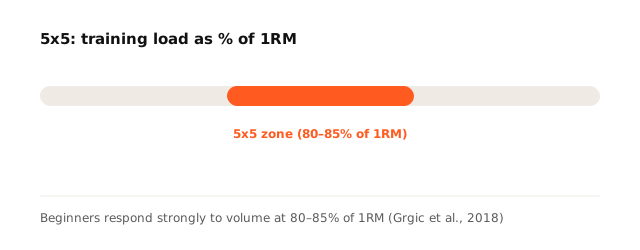
The combination of moderate reps (5) and a high set count (5) delivers a large work volume at a simultaneously heavy load. According to Grgic et al. (2018) in Sports Medicine, beginners respond particularly strongly to training volume in the strength zone of 80 to 85 percent of 1RM — exactly where 5x5 operates. The weekly progression scheme keeps ratcheting up the training stimulus, making optimal use of the high adaptation potential in the first six to twelve months.
Hypertrophy on a 5x5 program
5x5 is primarily a strength program, but it delivers measurable hypertrophy too. According to Schoenfeld et al. (2017), muscle growth with sets of 5 is only marginally lower than with the classic 8–12 rep range when total volume is comparable. For pronounced hypertrophy in isolated muscle groups (biceps, calves, rear delts), however, the base program lacks specific isolation exercises.
Who it suits
Per NSCA recommendations, 5x5 programs are particularly well suited for:
- Beginners with no barbell training experience
- Lifters returning after a long break (6+ months)
- Athletes focused on strength rather than bodybuilding
For purely hypertrophy-focused lifters, or anyone without access to a barbell, structurally different programs (e.g. push/pull/legs or upper/lower) are often more effective.
Log your workouts in 5 seconds with GymLog AI
GymLog AI tracks your 5x5 progression automatically and tells you when it's time for the next weight increase — no manual spreadsheets.
Download on the App StoreSources
- Grgic, J., et al. (2018). Effects of Resistance Training Frequency on Gains in Muscular Strength: A Systematic Review and Meta-Analysis. Sports Medicine. PubMed
- Schoenfeld, B. J., et al. (2017). Strength and Hypertrophy Adaptations Between Low- vs. High-Load Resistance Training: A Systematic Review and Meta-analysis. JSCR. PubMed
- Rippetoe, M. (2013). Starting Strength: Basic Barbell Training, 3rd Edition. The Aasgaard Company. startingstrength.com
- NSCA. Essentials of Strength Training and Conditioning. nsca.com