What is muscle protein synthesis?
Muscle protein synthesis is the physiological process by which new protein structures are built in skeletal muscle. The research literature identifies strength training and the intake of essential amino acids as the two central triggers of this process (Atherton & Smith, 2012).
How the biology works
Muscle protein synthesis (MPS) takes place at the ribosomes and is regulated primarily through the mTOR signaling pathway. Two stimuli drive the process: mechanical loading from strength training and the intake of essential amino acids (Atherton & Smith, 2012).
The role of leucine
Leucine is described in the literature as the key amino acid in the mTOR pathway. In the studies by Norton et al. (2009), peak activation of synthesis occurred at a leucine dose of around 2.5 to 3 grams per meal — roughly the amount found in 20 to 40 grams of high-quality protein. Under the EU's approved health-claims list (Regulation 432/2012), protein contributes to the maintenance and growth of muscle mass.
How long it stays elevated
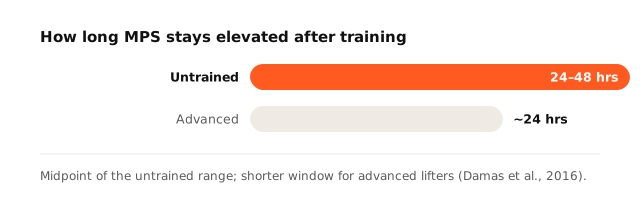
After a strength workout, MPS remains elevated for 24 to 48 hours in untrained individuals. As training experience accumulates, this window shortens to roughly 24 hours — one reason higher training frequencies (each muscle group twice per week) are recommended for advanced lifters (Damas et al., 2016).
Keep track of your protein with GymLog AI
GymLog AI helps you log your protein intake throughout the day in a structured way.
Download on the App StoreSources
- Atherton, P. J., & Smith, K. (2012). Muscle protein synthesis in response to nutrition and exercise. J Physiol, 590(5). PubMed
- Norton, L. E., et al. (2009). The leucine content of a complete meal directs peak activation but not duration of skeletal muscle protein synthesis. J Nutr, 139(6). PubMed
- Damas, F., et al. (2016). A review of resistance training-induced changes in skeletal muscle protein synthesis. Sports Medicine, 45(6). PubMed
- Morton, R. W., et al. (2018). A systematic review, meta-analysis and meta-regression of the effect of protein supplementation on resistance training-induced gains in muscle mass and strength. BJSM, 52(6). PubMed
- Commission Regulation (EU) No 432/2012 — list of permitted health claims made on foods. eur-lex.europa.eu