What is a calorie deficit?

A calorie deficit is the state in which your daily energy intake is lower than your total energy expenditure. It is the physiological prerequisite for reducing body fat.
The energy balance equation
Human energy metabolism follows the first law of thermodynamics: energy is neither lost nor created out of nothing. The relationship boils down to the formula “change in body energy = intake − expenditure” (Hall et al., 2012). When intake stays below expenditure over time, the body taps into its own energy stores — primarily body fat and glycogen.
BMR, NEAT, and exercise
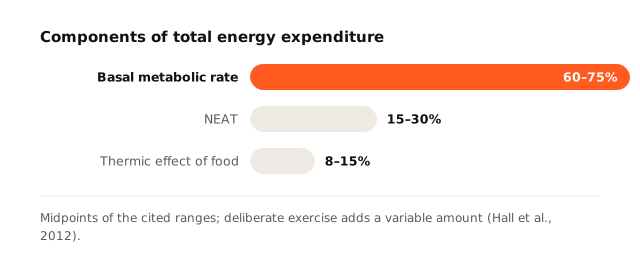
Total energy expenditure has four components: basal metabolic rate (60–75%), NEAT (15–30%), the thermic effect of food (8–15%), and deliberate exercise (variable). Eating less without changing your activity creates a deficit — and so does moving more while eating the same.
Where the model has limits
The energy balance equation remains physically correct, but total expenditure isn't static. In a deficit, energy expenditure adaptively drops (adaptive thermogenesis), which explains weight-loss plateaus without contradicting the underlying rule (Rosenbaum & Leibel, 2010).
Plan your deficit with GymLog AI
GymLog AI calculates your calorie deficit daily and adjusts it to your weight trend and activity.
Download on the App Store